
At that stage in life, it’s natural to still be discovering your personal style and becoming comfortable with makeup and fashion.
Our model had just graduated from high school and was about to begin a new chapter of her life.
She had naturally cute and delicate features, like many people who are concerned about their facial shape, she often relied on hairstyles to hide the sides of her face.


Initial Consultation
When she first visited our clinic, she was very shy and spoke softly.
As we talked, she shared that she had undergone double eyelid surgery and medial Epicanthoplasty at another clinic in May of the previous year because she felt her eyes were too small. She was also undergoing orthodontic treatment.
Her biggest concern was facial contouring.
She also wanted lateral and lower Canthoplasty because she still felt her eyes appeared small, and she hoped for a slightly more refined and elegant nose.
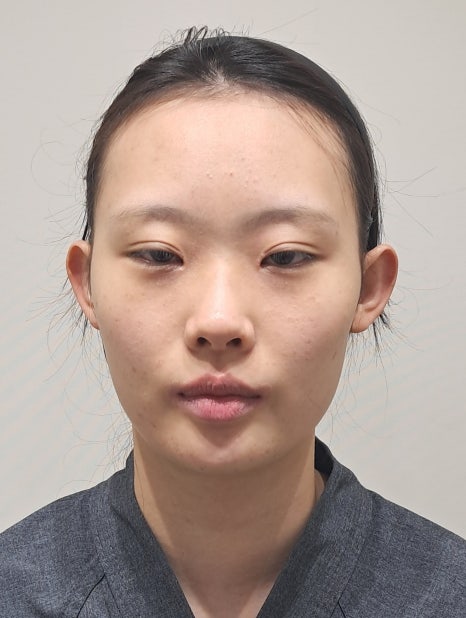
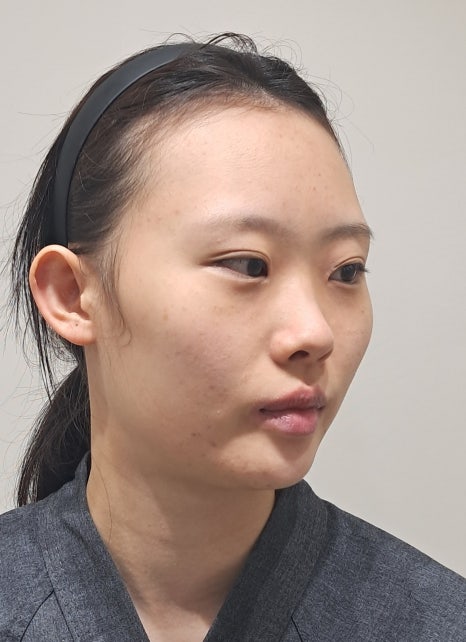
Facial Contouring Assessment
Her cheekbones appeared particularly prominent.
The left cheekbone projected outward more than the right, while the right side sat slightly higher, creating noticeable facial asymmetry.
Her jawline had a pronounced angle beneath the ears, while her chin appeared rounded and lacked definition.
Eye Assessment
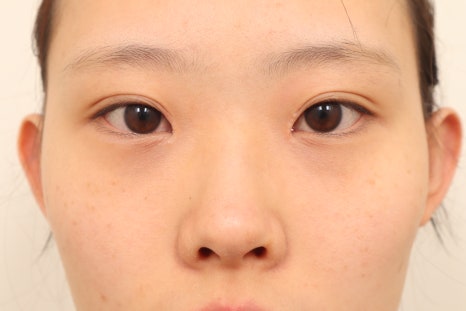
She previously underwent natural adhesion double eyelid surgery and medial epicanthoplasty at another clinic around May.
However, the inner corners of her eyes had not opened sufficiently, leaving visible scars and multiple creases.
Because the eyelid line did not connect naturally to the inner corner, her eyes still appeared somewhat closed and heavy.
Nose Assessment
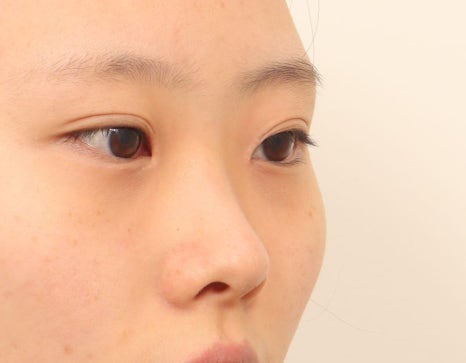
Her nose was naturally small, delicate, and cute. However, the bridge lacked height, and the nasal tip lacked definition, making the nose appear less refined.
What I Consider During Consultation
When planning surgery, I don’t simply evaluate each feature individually.
I carefully consider whether the eyes, nose, and facial contours will remain balanced and harmonious after each change.
I also pay close attention to the overall three-dimensional balance of the face.
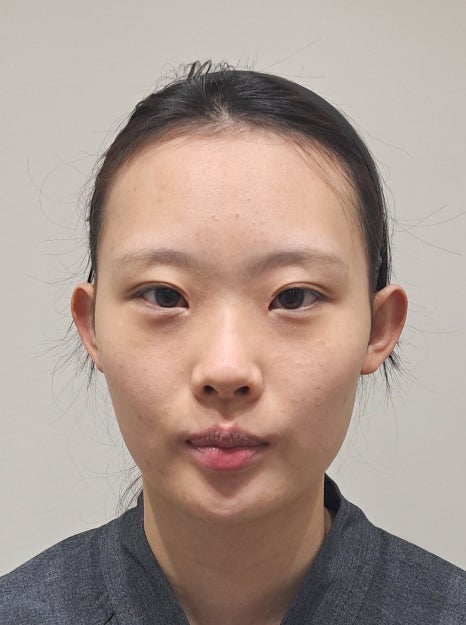
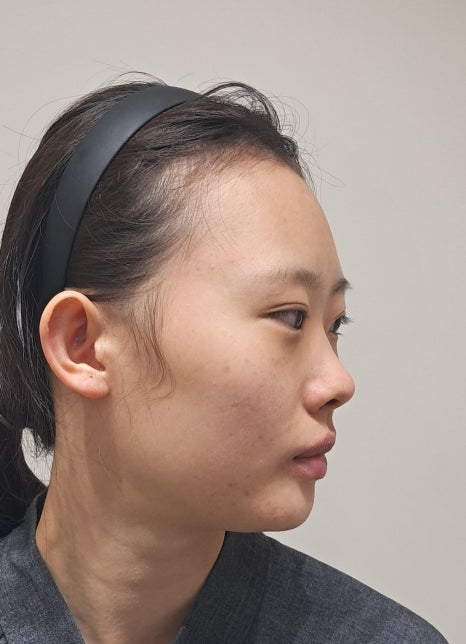
Three-dimensional facial harmony means evaluating not only the front view but also the side profile.
Her forehead appeared broad, relatively flat, and sloped backward.
A lack of central forehead volume can make the forehead appear even wider.
Likewise, when the front cheeks lack volume, prominent cheekbones tend to look even sharper and wider.
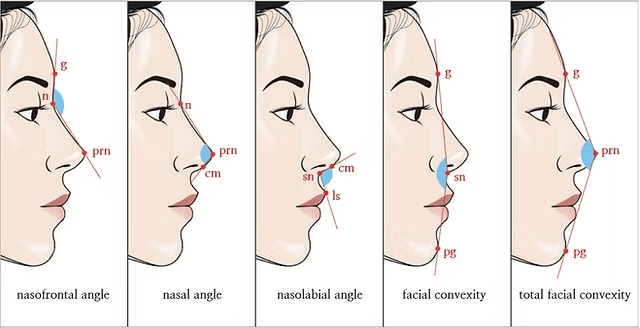
The side profile is equally important. The relationship between the forehead, nose, lips, and chin greatly influences one’s overall facial impression.
Because surgery on one area naturally changes the angles and proportions of surrounding structures, every adjustment should be planned together rather than independently.
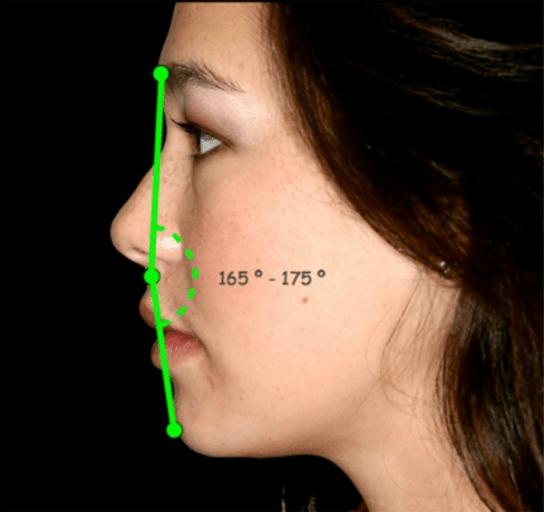
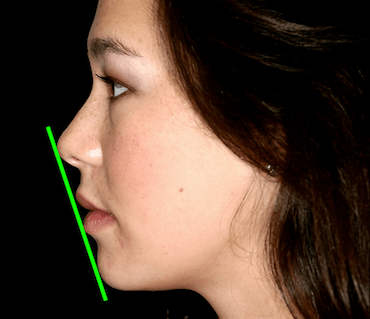
For example, adding volume to the forehead deepens the forehead-to-nose angle, making a higher nasal bridge appear more harmonious.
Similarly, increasing tip projection changes the nose-lip-chin relationship, making a weak chin appear even smaller.
Enhancing chin projection can therefore create a much more balanced profile.
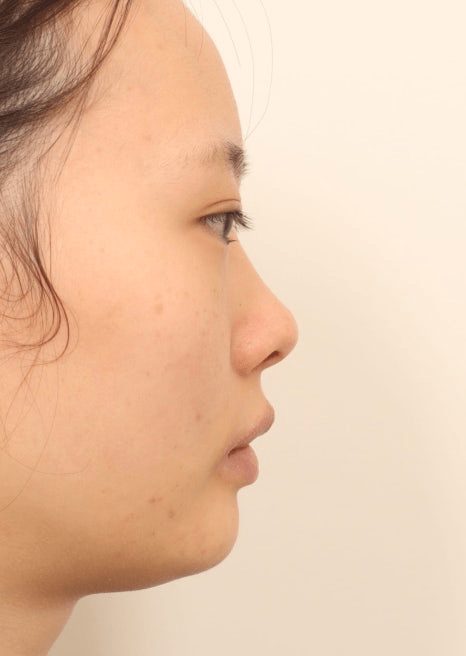
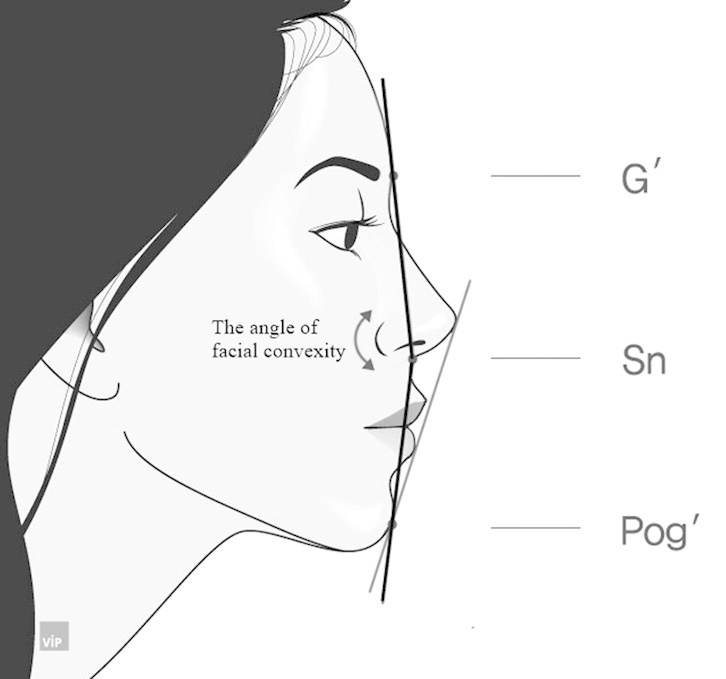
For this patient, adding volume to the forehead while refining and elevating the nose would create better facial harmony.
As the starting point of the nose becomes higher, the nasal tip should also be adjusted to maintain ideal proportions.
Because raising the nose also changes the nose-lip-chin balance, a subtle advancement of the chin could further improve the profile.
Final Recommendation
To improve her overall facial harmony and three-dimensional balance,
I recommended facial contouring surgery, fat grafting to the forehead and front cheeks, double eyelid revision, medial epicanthoplasty revision, lateral and lower canthoplasty,
and a rhinoplasty with a nose shape that falls between a soft curved
profile and a semi-straight profile.
During the initial consultation, I focus not only on each individual feature but also on the patient’s overall image, facial harmony, and proportions.
As a result, consultations may take longer, and we sometimes discuss areas the patient had not previously considered.
Rather than feeling pressured by recommendations involving multiple areas, I hope patients see them as professional guidance to help establish their ideal image and develop a well-balanced surgical plan.

 DL Plastic Surgery