
1 Year After Contracted Nose Revision Surgery
It has now been a little over a year since my revision rhinoplasty, and looking back,
I can finally say that choosing to undergo reconstruction surgery was one of the best decisions I made.
I originally had my first rhinoplasty in 2022 using septal cartilage.
For the first few months, everything seemed fine, but around the seventh month,
I noticed that my nose was beginning to change.
My tip gradually became shorter and more upturned, and it felt unusually firm to the touch. At first, I thought it was just swelling or scar tissue, but as time passed, the changes became impossible to ignore.
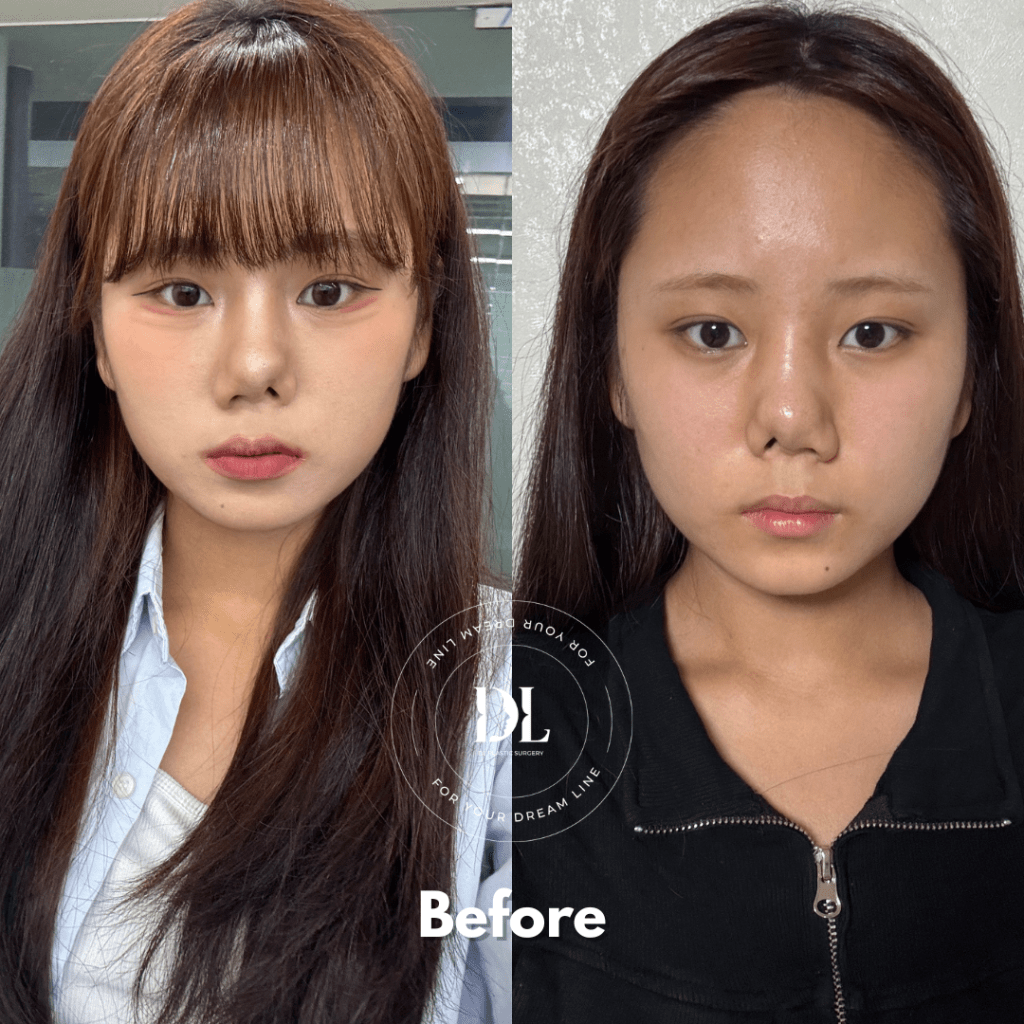
The tip of my nose continued to lift, my nostrils became uneven, and one side of my alar (nostril wing) started collapsing inward.
Not only was I unhappy with how it looked,
but I also began experiencing nasal obstruction on one side, which affected my breathing.
I underwent another revision procedure hoping to correct the issue,
but unfortunately, the tension in my nose had not been fully released.
Over time, the contracted tissue pulled everything back again, and my alar deformity became even more noticeable.
By then, I had become extremely self-conscious.
I avoided taking side-profile photos and constantly found myself checking my nose in the mirror.
I knew I needed a surgeon who specialized in complex revision and
reconstructive cases rather than simply making my nose taller.
After extensive research, I came across DL Plastic Surgery.
What stood out to me was his approach he focused on restoring damaged structures rather than forcing an idealized shape.
During my consultation, he carefully reviewed my CT scans and
explained exactly what had happened inside my nose.
The scans showed thick capsule tissue around the implant area, calcification caused by chronic inflammation near the septum, and significant deformity of both the septal and alar cartilages. For the first time in years, I felt like someone truly understood my case.
My Surgical Goals
I had a few non-negotiables:
- Remove all remaining implant material.
- Use only my own tissue, including rib cartilage.
- Correct my asymmetrical nostrils and alar deformity.
- Lengthen my contracted nose naturally.
- Achieve a soft, balanced appearance that suited my face.
I wasn’t looking for a dramatic transformation I just wanted my face back.
Dr. Jeong’s Surgical Notes
Procedure Performed
- Contracted Nose Revision Rhinoplasty
- Total Implant Removal
- Autologous Rib Cartilage Harvest
- Temporalis Fascia Harvest
- Septal Reconstruction with Rib Cartilage
- Alar Cartilage Reconstruction and Extension
- Nostril Lowering Procedure (Right Side)
- Composite Mucosal Tissue Grafting
- Diced Rib Cartilage Wrapped in Temporalis Fascia for Dorsal Augmentation
Surgical Objective:
“This patient presented with severe contracture accompanied by unilateral alar collapse and functional nasal obstruction.
The goal of surgery was not simply aesthetic improvement, but complete structural reconstruction of the nose.
Particular attention was given to releasing scar contracture, restoring symmetry, and achieving a stable, natural nasal contour using autologous tissue.”
Recovery Journey
Before Surgery
I felt embarrassed and frustrated. My nose looked shorter every month, and I had lost confidence in revision surgery altogether.
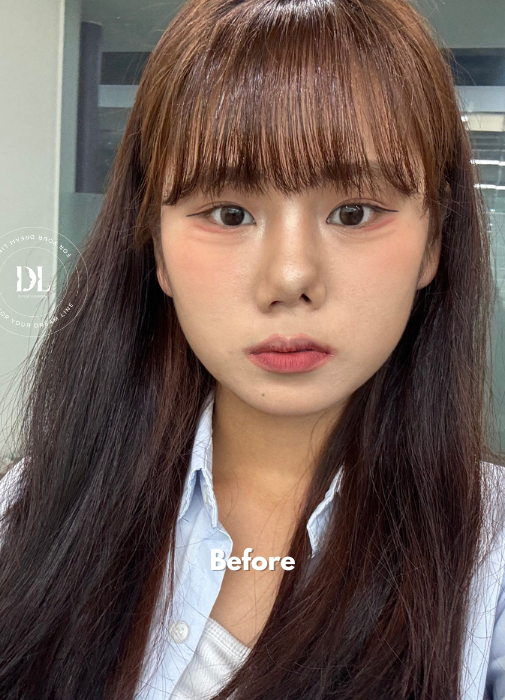
2 Weeks Post-Op
There was still noticeable swelling and redness, but I could already tell my nose was longer and straighter. For the first time in years, my nostrils looked more symmetrical.

1 Month Post-Op
Most of the bruising had resolved. My breathing improved significantly, and the tension around my nose had decreased. Friends commented that I looked more refreshed, although they couldn’t pinpoint exactly why.

3 Months Post-Op
This was when I began to feel like myself again. The swelling continued to soften, and my profile looked incredibly natural. I no longer felt the need to hide my face in photos.

6 Months Post-Op
By six months, the results were becoming more refined. The alar deformity that had bothered me for years was almost unnoticeable, and my nose felt soft and comfortable.

12 Months Post-Op
It has now been over one year since surgery, and I genuinely couldn’t be happier.
My nose no longer feels tight or unnatural. I can breathe comfortably, my nostrils are balanced, and my profile looks natural from every angle. Most importantly, I feel like I have my confidence back.
Revision surgery can be an emotional experience, especially after dealing with complications and disappointment. There were moments when I thought I would never trust another surgeon again. But today, when I look at old photos, it’s hard to believe how much has changed.
Dr. Jeong didn’t just give me a new nose—he helped restore something I thought I had lost permanently.
If you’re dealing with a contracted nose or severe complications after rhinoplasty, my advice is simple: don’t rush. Find a surgeon who understands reconstruction, listens to your concerns, and prioritizes restoring function as much as appearance.
One year later, I can finally close this chapter and move forward with confidence.

Overall Satisfaction: 10/10
Would Recommend Revision Surgery? Yes
Favorite Improvement: “My nose finally feels like a part of my face again.”
Would I Choose Dr. Jeong Again? Without hesitation.
If you’re reading this because you’re struggling with a contracted nose or considering revision surgery, I know how overwhelming it can feel.
I spent years wondering if things would ever improve.
Today, more than a year later, I can honestly say it was worth the wait.
Healing takes time, but finding the right surgeon made all the difference.
 DL Plastic Surgery