
Hump Nose Correction — Is It Just About Removing the Bump?
Absolutely not.
Many people considering hump nose (dorsal hump) correction tend to focus on the idea of simply shaving down the protruding area. However, in actual clinical practice, the procedure requires a far more precise and three-dimensional approach. More important than the hump itself is the overall nasal structure — particularly the tip’s position and angle — as well as racial anatomical differences in nose shape.
If the nasal tip is low or drooping, even a smooth and straight nasal bridge can disrupt the overall facial balance and proportions. That’s why it’s essential to address not only the hump but also to consider tip projection (lifting the nasal tip) for both aesthetic harmony and functional stability.
| Western vs. Asian Hump Nose Correction – Different Approaches
Due to anatomical differences, the surgical strategy must vary by ethnicity.
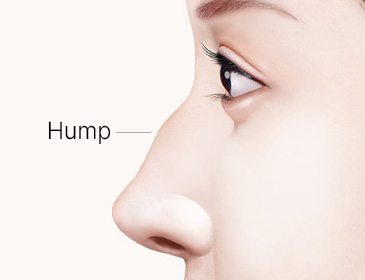
• Features: Sharp, projected tip with an overall long nasal bridge.
• Surgical Approach: Removing the hump often results in a natural contour without further modification.
• Conclusion: Western noses typically have longer and stronger cartilage and bone. Therefore, the tip does not necessarily need to be raised. Overcorrecting the tip may actually lead to an unnatural or artificial look, so minimal intervention is often preferred.
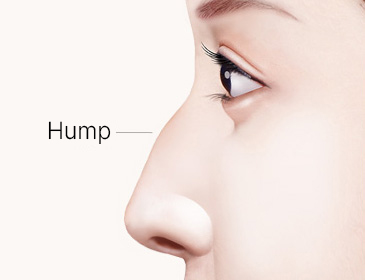
• Features: The hump may appear prominent, but the real cause is often a low and short nasal tip, creating an optical illusion.
• Surgical Approach: Simply shaving the hump can worsen the imbalance, making the tip appear even lower or flattened.
• Conclusion: For Asian patients, nasal tip extension is often more essential than dorsal hump reduction alone.
| Ideal Hump Correction for a Feminine Profile
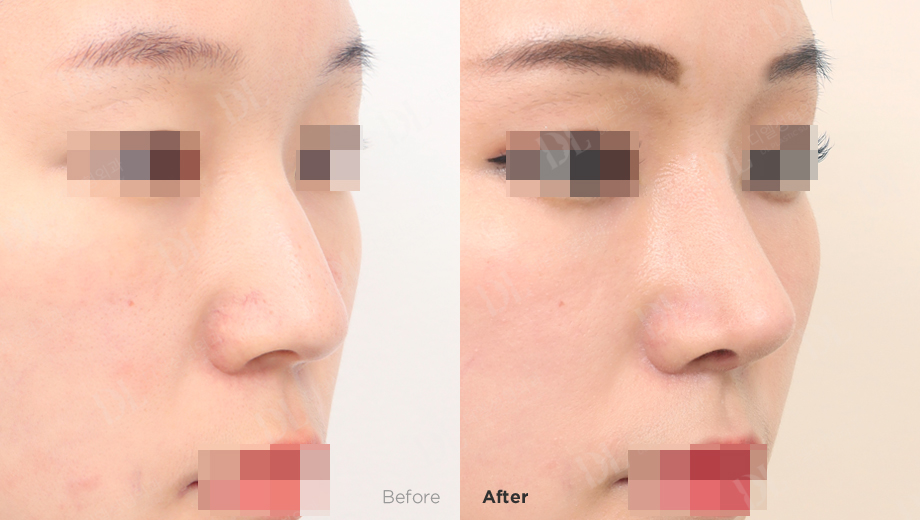
In Asian patients, what looks like a dorsal hump is often a pseudo-hump caused by a low tip. In these cases, removing the bump without tip correction can make the nose appear longer, flatter, or broader, especially from the front, creating a more masculine or aged appearance.
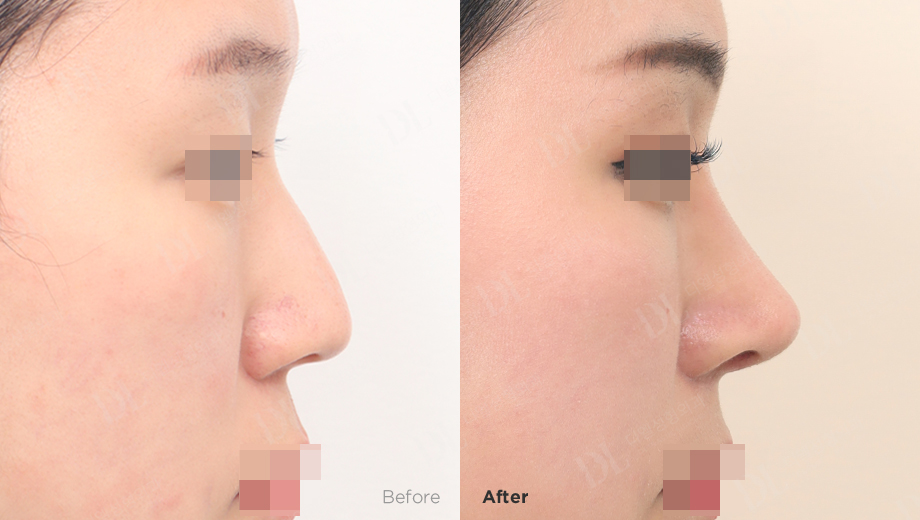
For women in particular, a refined nasal tip, harmonious side profile, and elegant nasal contour are key aesthetic goals. Hump reduction alone often cannot achieve this. If the tip remains low after surgery, it may result in a flatter, less defined appearance, potentially making the face look older or less vibrant.
To create a more feminine and balanced appearance, dorsal hump correction in Asian women should focus on tip projection, not just dorsal reduction.
| Key Elements of Hump Correction for Asian Noses
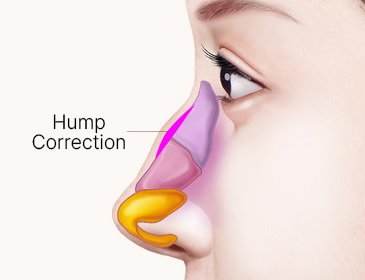
① Osteotomy for Hump Removal
• Realigns the nasal bones to create a smooth contour.
: Since many hump noses also have downward-angled nasal axes, simply shaving the hump may exaggerate tip droop. The entire nasal structure should be reshaped and repositioned accordingly.
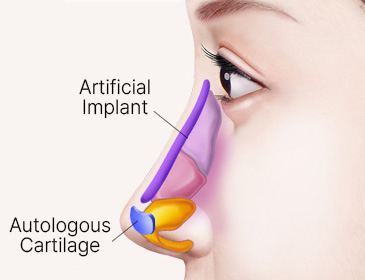
② Nasal Tip Cartilage Extension
• A low nasal tip disrupts side profile balance and can appear broad and blunt from the front.
: The goal isn’t to raise the tip excessively but to adjust it in proportion to the rest of the face. In many cases, hump noses are long and drooping. By adjusting the tip angle appropriately, a balanced and natural result can be achieved without creating an “upturned” or artificial look.
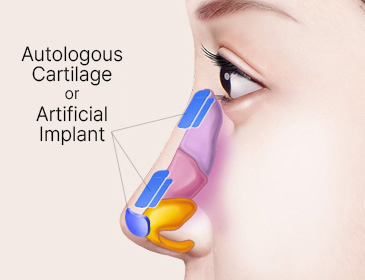
③ Low Radix (Nasal Start Point)
• If the nasion (the most anterior point of the frontonasal suture) is low and is combined with a hump, it can flatten the overall nasal structure and blur facial features.
: If the nasion is only 1–2mm low, a no-implant technique can still create a smooth, harmonious line.
: For nasion points 3–4mm or more below average, particularly in male patients, no-implant correction may be insufficient. In such cases, a thin implant can help restore structure and enhance the definition of the nasal line.
④ Skin Thickness and Recovery Management
• Asians often have thicker skin and weaker cartilage, meaning it takes more time for the surgical shape to fully settle.
: That’s why it’s crucial to receive regular follow-ups and personalized post-op care to manage swelling and prevent complications. Choosing a clinic that offers thorough aftercare and tailored recovery programs is key to long-term satisfaction.
| Expected Benefits of Tip Projection in Hump Nose Correction
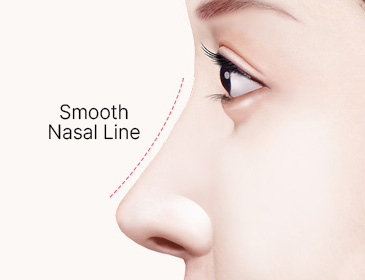
• Creating an Ideal Nasal Line
The main goal is not merely to shave the hump but to create a well-balanced nasal contour that suits the patient’s facial structure. Simply reducing the dorsal hump can exaggerate the appearance of a drooping tip, making the nose look longer or less refined. For women especially, if the nasal tip isn’t projected enough, the result may appear masculine or aged.
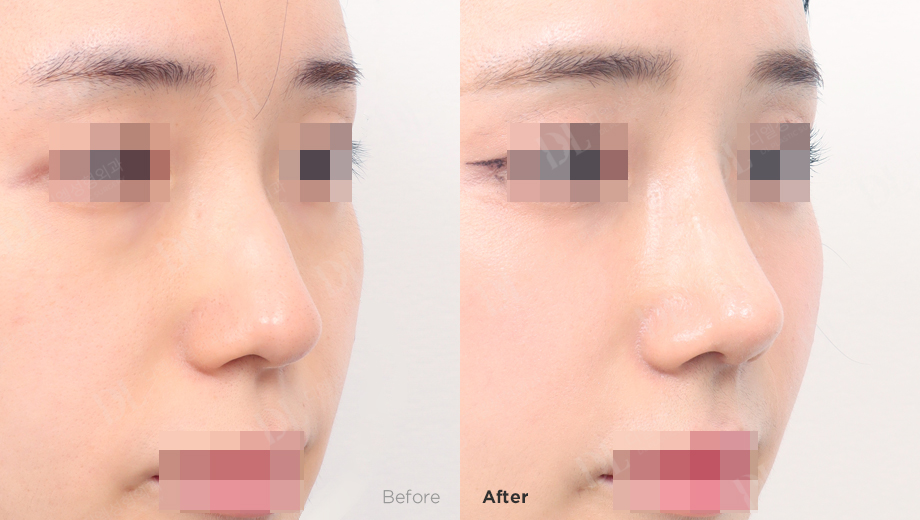
• Preventing Over-exposing the nostrils or “Piggy Nose”
Tip projection does not automatically mean the nose will look upturned. Most hump noses have a naturally downward-facing axis, so lifting the tip slightly actually helps achieve a straighter, more refined nasal line. When adjusted in proportion, the result looks natural — not artificial.
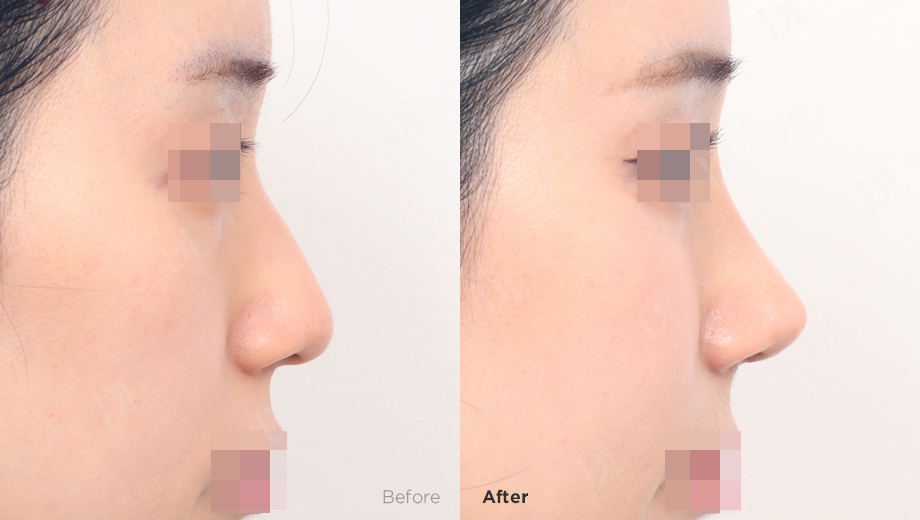
• Enhancing Facial Harmony
Even if the hump is gone, a low nasal tip can make the midface look flat and undefined. Conversely, a well-projected tip enhances the three-dimensionality of the face and creates a more sophisticated appearance overall.
l The Core of Hump Nose Correction: Designing the Ideal Line
The key to successful dorsal hump correction is creating a nasal contour that harmonizes with the patient’s overall facial proportions. In Asian patients, who often have low nasal tips, tip projection must be at the center of the surgical plan.
Simple osteotomy or filler may not address structural imbalances. If the tip remains low while the hump is removed, the nose may appear wider and flatter from the front. Only through structural realignment — considering factors like tip projection, skin thickness, radix height, and implant use — can a balanced, three-dimensional, and long-lasting result be achieved.

