
The nose, positioned at the center of the face, can drastically change one’s overall impression even with the slightest alteration. Among the different parts of the nose, the alar (nostril wings) play a crucial role in determining the width and balance of the nose. If the nostrils are too wide or asymmetrical, it can result in a dull or awkward appearance rather than a refined one. Especially for those with noticeably uneven nostrils, even subtle differences can become a major concern, particularly in photos or face-to-face interactions.
One surgical option considered to address these concerns is alar weir reduction. Let’s take a closer look at what this procedure involves and how it can help improve nostril asymmetry.
| Can Alar Weir Reduction Improve Uneven Nostrils?
Alar weir reduction is a procedure that narrows overly wide or thick nostrils. The surgery adjusts the skin and soft tissue around the nostrils without altering the nasal tip, effectively reducing the width of the nose. The incision is made either inside the nostrils or along the natural crease of the alar base, making any scarring minimally visible.
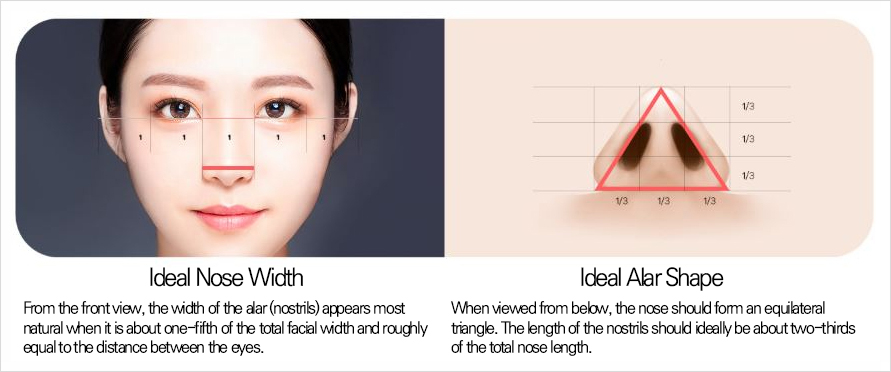
Rather than simply reducing size, the surgery must be carefully designed with consideration for the overall facial balance, which is why professional analysis and skilled technique are essential.
| When is alar weir reduction typically considered?
• When the nostrils are excessively wide, making the face appear broader
• When thick alar tissue causes the nasal tip to look blunt
• When the nostrils flare excessively while smiling
• When there’s noticeable asymmetry between the nostrils
Therefore, beyond cosmetic concerns, alar weir reduction can also be a viable solution for correcting visible asymmetry such as uneven nostrils.
| What Causes Uneven Nostrils?
Uneven nostrils are often congenital, meaning they are present from birth due to asymmetrical development. However, not all cases are congenital. Other causes include:
• Deviated nasal septum: where the internal structure of the nose leans to one side, making one nostril appear larger
• Habitual pressure: such as always sleeping on one side or repetitive habits that can gradually affect symmetry
• Botched surgeries: Poorly executed nasal surgeries that do not take symmetry into account can also cause nostril asymmetry over time
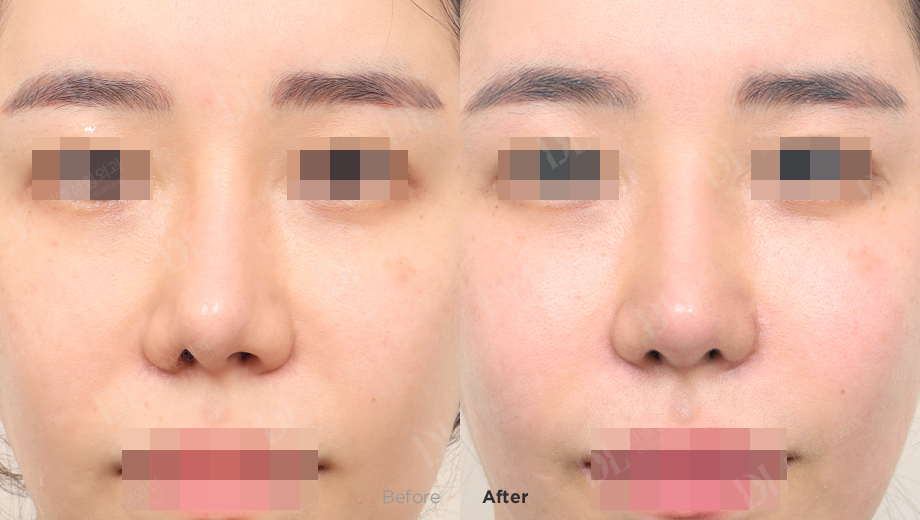
Correcting uneven nostrils depends on the underlying cause.
• If the issue is due to a deviated septum, internal corrective surgery may be required.
• If the asymmetry is due to the shape or size of the nostrils, alar weir reduction alone can often correct the problem.
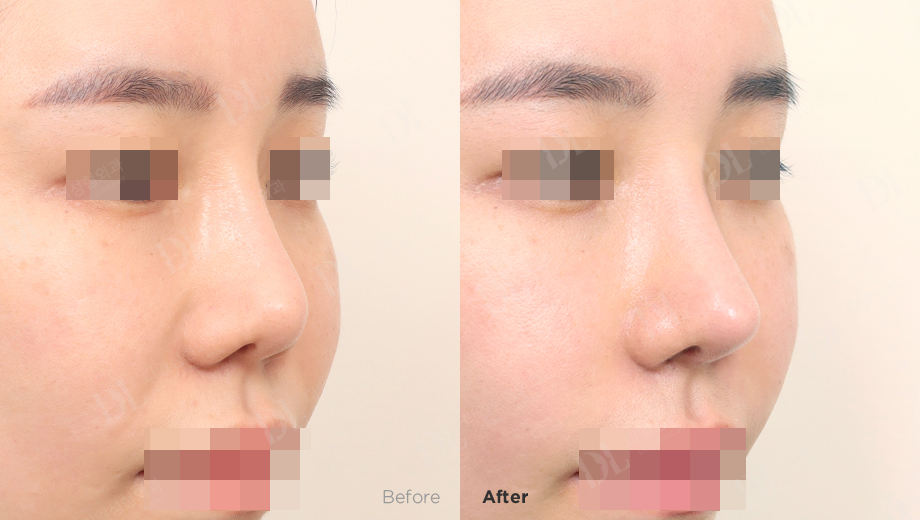
In short, if the issue lies in the external appearance of the nostrils rather than the internal structure, alar weir reduction can help restore balance. Therefore, identifying the exact cause is essential in selecting the appropriate surgical method.
| How is Alar Weir Reduction Done When Uneven Nostrils Are Involved?
When addressing nostril asymmetry, alar weir reduction is performed differently from standard procedures. Instead of symmetrically reducing both sides, the surgeon carefully assesses the degree of asymmetry:
• The more prominent or uneven side is reduced more
• The other side is reduced minimally or left as is
This technique helps balance the nostrils effectively. In such cases, the design and precision of the incision are crucial. The more experienced the surgeon, the more natural and symmetrical the results will be.
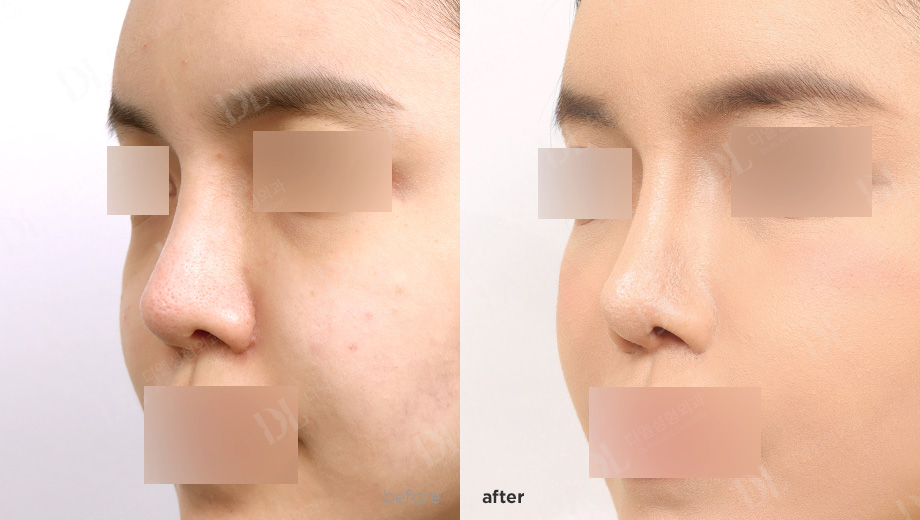
| A Case Study: Alar Weir Reduction with Nostrils Reconstruction

Case example:
A patient presented with a retracted right nostril and flared alar base, which made the base of the nose appear narrower and disrupted overall balance.
In this situation, simply performing an alar weir reduction could have worsened the asymmetry. Instead, the surgeon:
• Used tissue from the alar reduction on the left side to graft and release the retracted area on the right side
• Reinforced the deficient area with additional tissue to restore symmetry
This comprehensive approach helped reduce the nostril flare and improve the asymmetry, resulting in a more natural and balanced nasal appearance.
| Precautions for Alar Weir Reduction
While alar weir reduction may seem straightforward, it is a highly delicate procedure. If not executed properly, it can actually exaggerate nostril asymmetry. Over-resection may also make the nostrils appear unnatural or lead to breathing discomfort. Therefore, it’s important not to overdo the reduction. The goal should always be to harmonize the nose with the rest of the face in a natural-looking way.
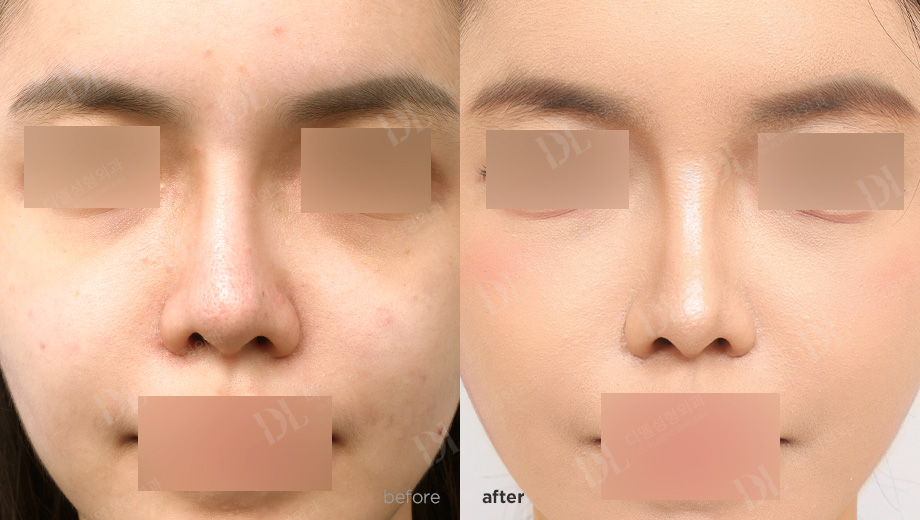
When choosing a clinic or surgeon for this procedure:
• Ensure the surgery is performed by a board-certified plastic surgeon
• Look for clinics with 3D analysis systems and extensive clinical experience
• Ask whether they have experience with uneven nostril correction cases
A thorough consultation is vital to assess the design before surgery, and post-operative care should be structured and comprehensive.
The alar plays a significant role in the overall impression of the nose. It’s not just about reducing size — achieving symmetry and facial harmony is key to satisfactory results. If you’re concerned about nostril asymmetry, a professional evaluation is essential. In many cases, alar weir reduction alone may be enough to correct the imbalance.
Rather than worrying alone, it’s best to consult with an experienced medical professional to create a personalized surgical plan tailored to your needs. With the right approach, you can achieve natural, balanced, and aesthetically pleasing results.
 DL Plastic Surgery