
A large face can make overall body proportions look awkward and even give the impression of being chubbier than you really are, especially if you have a slim body type. It can also limit your choices in hairstyles and accessories.
Because of this, there’s growing preference for smaller, more slender face shapes, and more people are considering facial contouring surgery. However, many worry whether the results might look unnatural or artificial. So, what are the key factors for achieving a natural-looking facial contouring surgery?
Here, we’ll carefully go over everything from what to check before surgery to how to manage recovery afterward.
| What Is Facial Contouring Surgery?
Facial contouring surgery adjusts the bone structure of the face to create a smaller, more balanced overall face shape. It focuses on improving these three main concerns:
- Prominent cheekbones: Improving the cheeks from side and 45-degree angles
- Square jawline: Smoothing out angular jaw areas into a more slender shape
- Chin shape: Refining the blunt chin shape or adjusting its length and angle
Sometimes these concerns are addressed individually, but often two or three are combined for a more harmonious change.
| Analyzing ‘Naturalness’
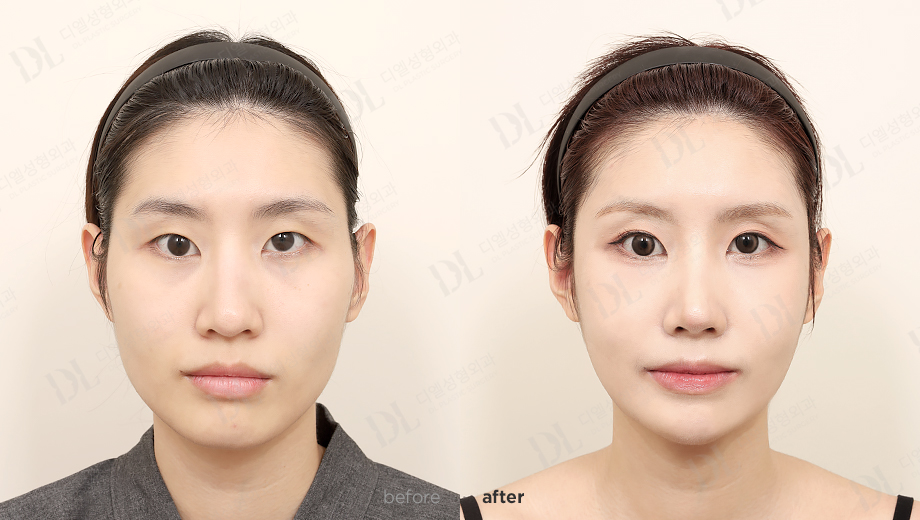
▶ 3 Months Post Op
Naturalness doesn’t just mean “no obvious signs of surgery.” It requires harmony with overall facial proportions, the features themselves, and even the way facial muscles move when you express yourself.
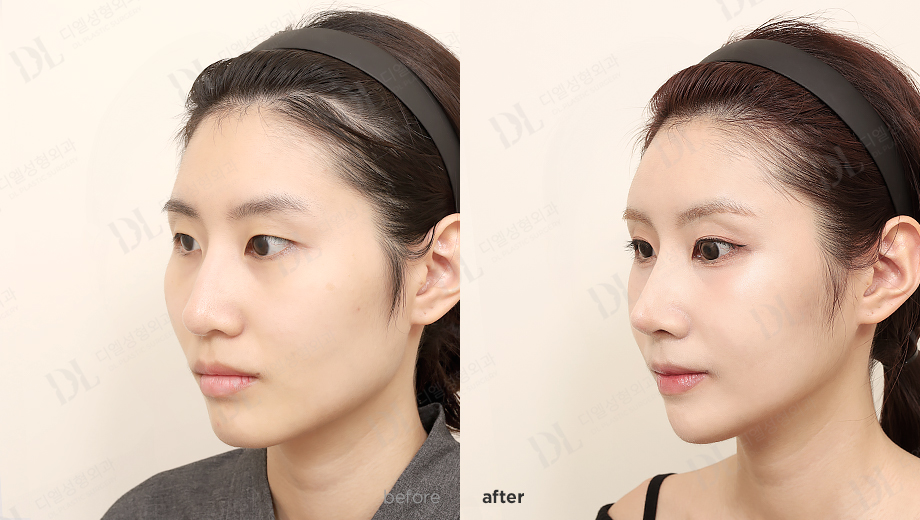
▶ 3 Months Post Op
If the cheekbones are reduced too much, it can cause volume loss that makes you look older or flat. Excessive jawbone shaving can lead to problems with speech or chewing, and if asymmetry isn’t corrected properly in chin surgery, it may create an unnatural line.
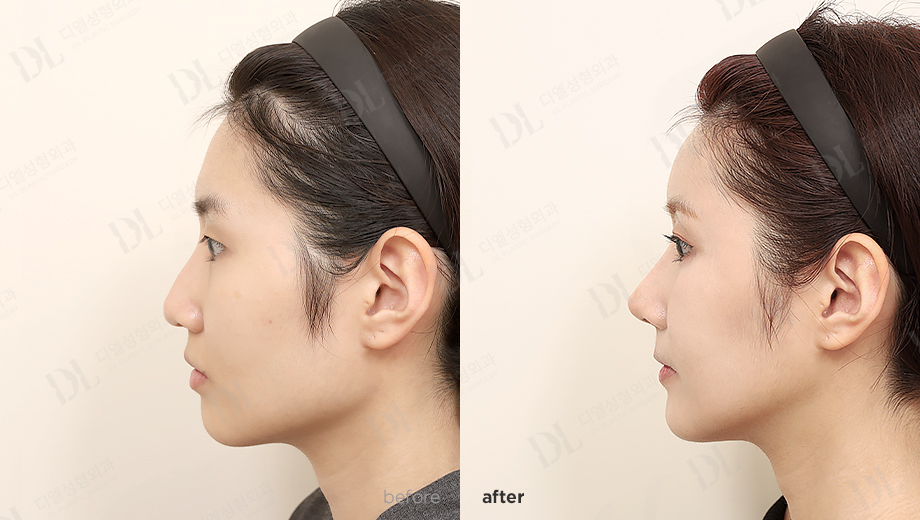
▶ 3 Months Post Op
Therefore, rather than simply removing a large amount of bone, a delicate approach that maintains facial balance and function is necessary.
| Summary of Improvements and Considerations

| Key Factors for Natural Facial Contouring Surgery
- Accurate Analysis and Diagnosis
– Use 3D CT scans to analyze bone structure and asymmetry
– Personalized surgery plan considering bone shape, nerve locations, muscles, and fat condition - Expertise and Surgical Skill
– Precise surgical planning must be backed by skilled technique during surgery
– The surgeon’s experience affects bone fixation techniques and preservation of nerves (especially the inferior alveolar nerve) - Postoperative Care
– Customized aftercare based on the patient’s individual recovery process
| Important Self-Care for Natural Results
- Wearing a compression band: helps maintain facial contours
- Jaw joint stretching and light exercises: relieve stiff facial muscles
- Ice packs, salt intake control, and hydration: reduce swelling and promote healing
- Regular hospital visits: stitch removal and inflammation checks by medical staff
Swelling and bruising are common after surgery but can be managed well with proper care to achieve a natural look.
| Conclusion: Facial Contouring Surgery Can Look Natural
Facial contouring surgery has become a precise and customized procedure. With an experienced medical team’s diagnosis and surgical skill combined with proper patient care during recovery, natural and refined changes are entirely possible.
The goal of surgery isn’t just to make the face smaller, but to harmonize with your natural image and boost your confidence in life. When people say, “Something’s different, and you look beautiful,” that’s the true sign of a successful facial contouring surgery.
 DL Plastic Surgery